

Marine corrosion is relentless, but sacrificial anodes provide a vital line of defense—especially for propeller shafts. As technology evolves, so do anode designs.
One long-standing feature in some shaft anodes is the use of copper BBs (ball bearings) to enhance electrical contact. But how effective is this design today? And are there smarter alternatives? This article examines the role of copper BBs in anode systems, presents pros and cons, explores current options, and introduces a better solution: Martyr Shaft Anodes from CMP Group.

What Are Copper BBs?
Copper-BB designs date back to the 1970s and ’80s, when looser casting tolerances made full contact harder to guarantee. These small copper spheres are embedded in the anode body to create a conductive bridge between anode and shaft.
How Do They Work?
Some traditional shaft anodes include small copper BBs inside the body. These are intended to press against the shaft upon installation to help establish electrical continuity—especially when the anode isn’t a perfect fit. Because many of these anodes are slightly oval or inconsistently cast, installers may need to tap the anode to seat the BBs and improve contact.
While this approach does restore contact, it also adds a few extra considerations: uneven contact, potential shaft damage, and the added presence of dissimilar metals like copper, which may impact overall corrosion performance.
Installation Can Vary
Copper BB-based anodes can introduce uncertainty during installation, depending on design, fit, and shaft conditions.
- Manufacturer Guidelines Vary: Some manufacturers suggest leaving the BBs as-is; others recommend tapping or hammering the anode to ensure proper contact. This lack of consistency leads to guesswork during installation.
- Fit and Finish Issues: If the anode’s casting tolerances are slightly wide—or the shaft itself is a bit out of round—installers may resort to force to seat it. That extra pressure can damage the shaft or undermine protection.
- Surface Interference: Paint, oxidation, or even minor dirt on the shaft can prevent the BBs from making solid contact, limiting their protective function.
Pros and Cons of Copper BB-Based Anodes
Pros
While copper BBs have traditionally been used to improve shaft contact, they come with limitations and added complexity compaed to modern anodes.
- Improved Contact (in theory): Copper BBs are meant to enhance electrical contact, particularly when the anode fit isn’t precise.
- Added Conductivity: Copper’s high conductivity aids electron flow—provided contact is solid.
- Familiarity: Installers familiar with legacy systems may be accustomed to BB-equipped anodes.
Cons
-
Installation Considerations: Whether hammering is required varies by product, leading to inconsistent and potentially damaging installation methods.
-
Variable Contact: Because contact occurs at several points rather than 360°, effectiveness depends more on proper seating and periodic checks.
-
Galvanic Compatibility Issues: Because copper sits higher in the galvanic series, it can slightly alter current paths; in most cases this isn’t critical, but it is another variable to watch.
Best Alternative: Martyr Shaft Anodes with a Smart Design
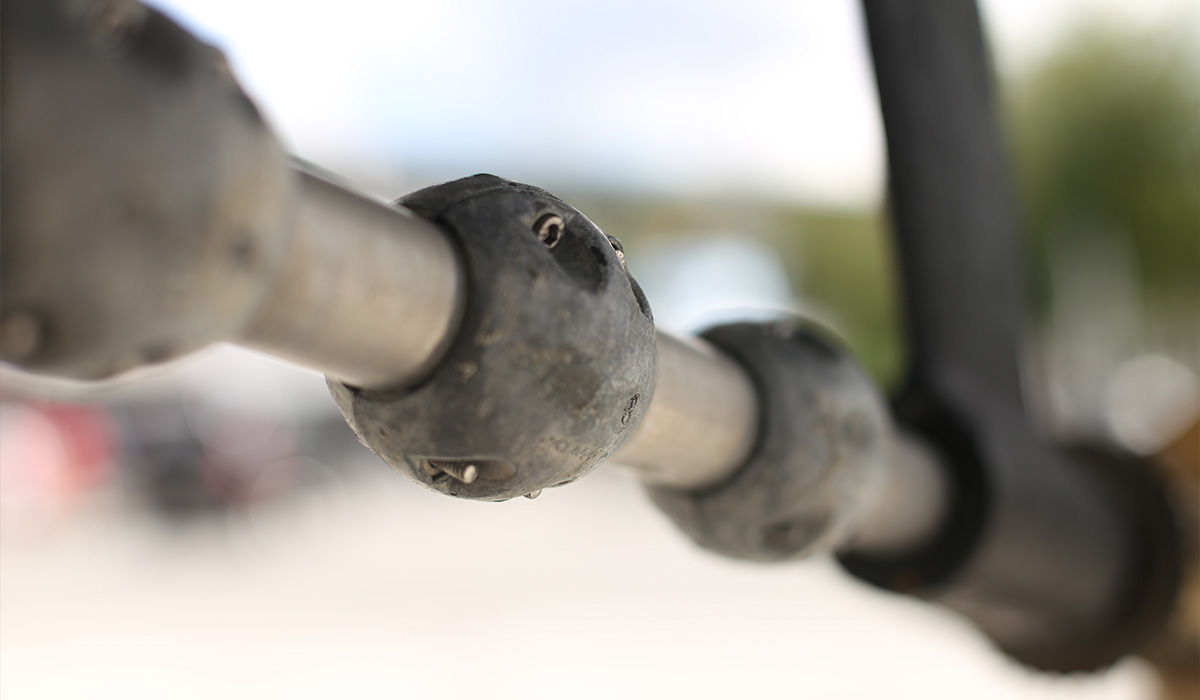
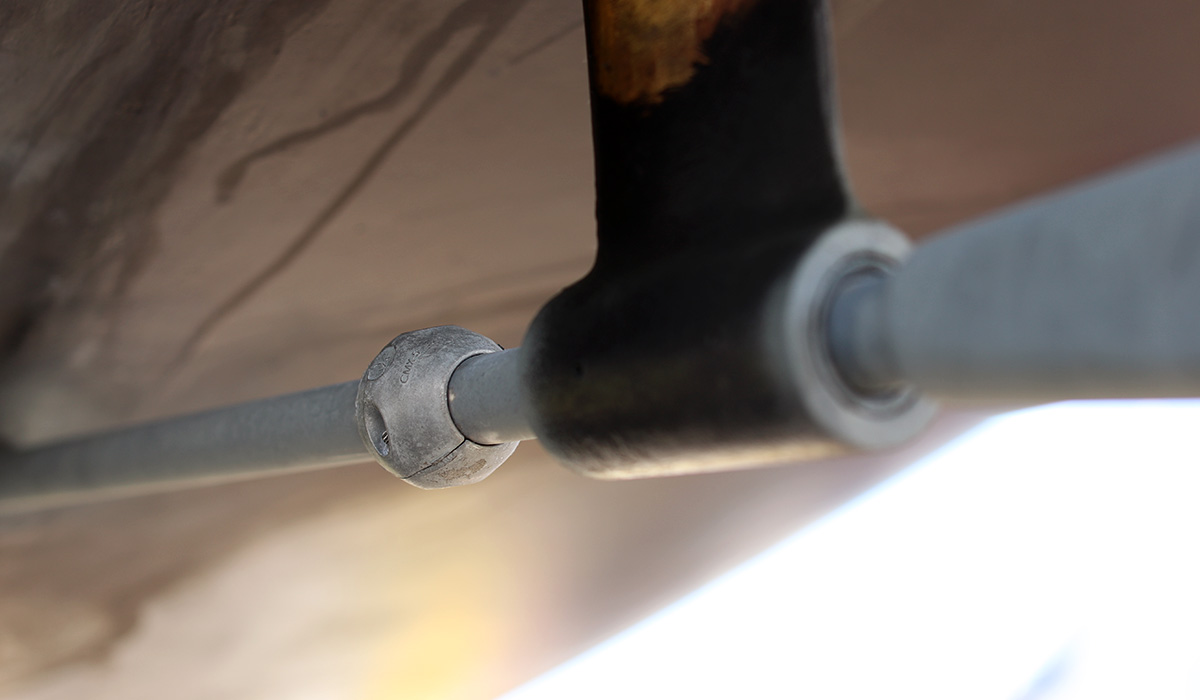
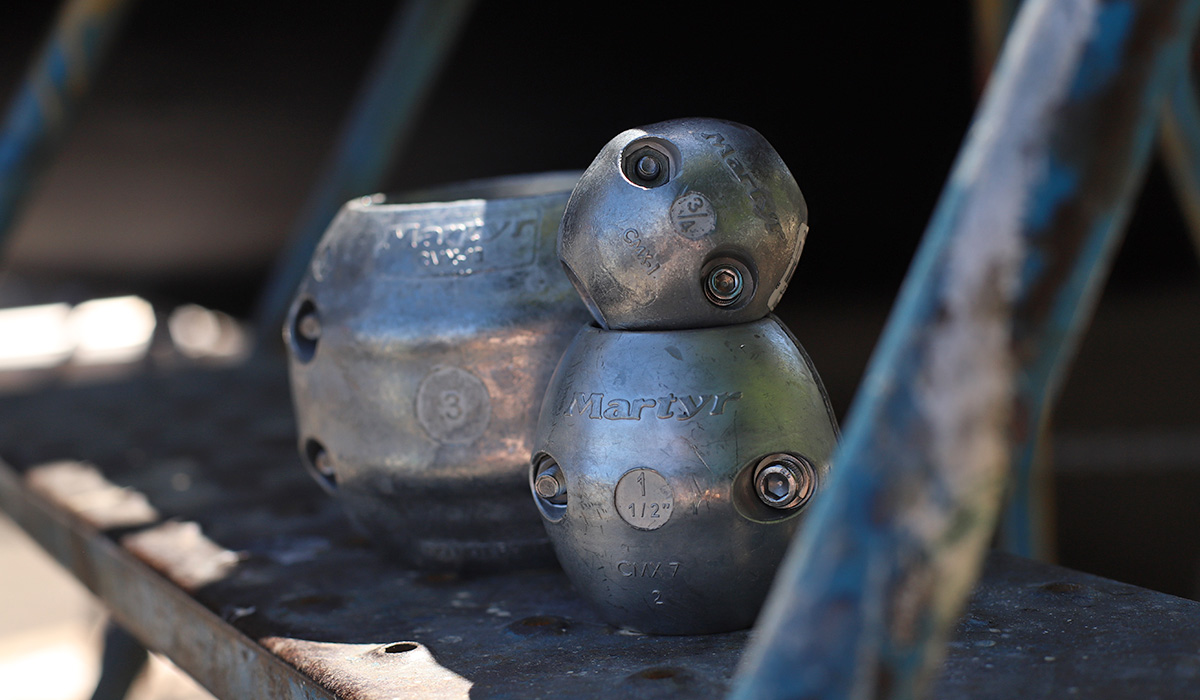
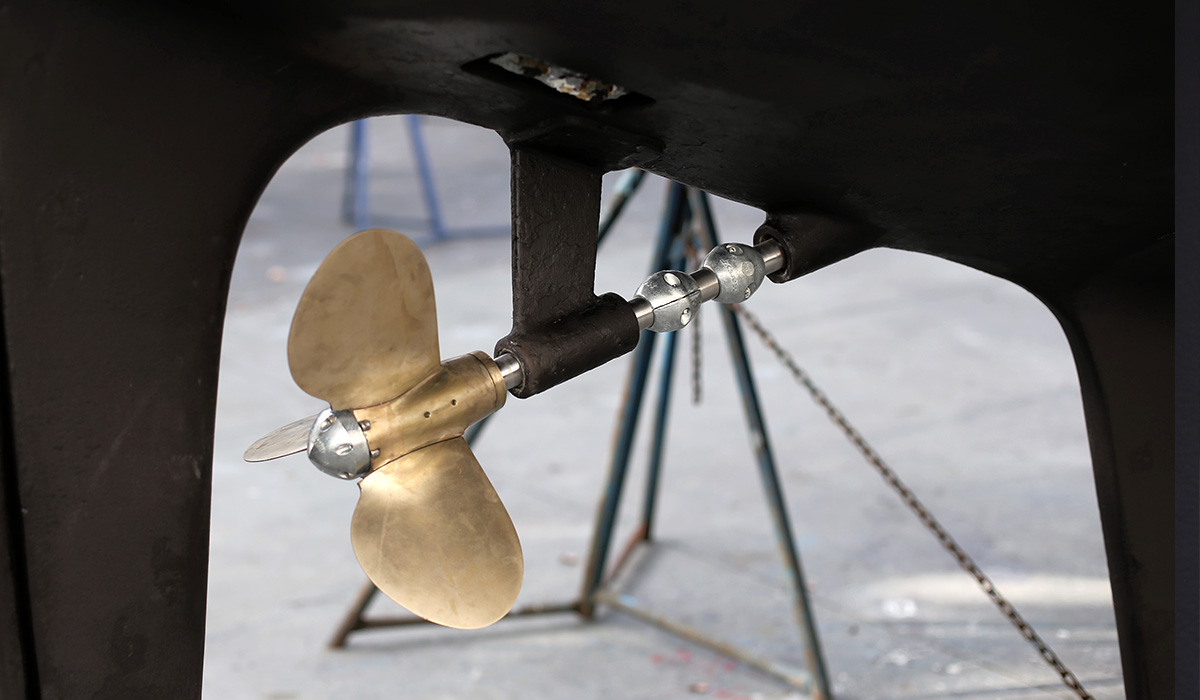
CMP Group Martyr Shaft Anodes address these limitations with a BB-free design that provides complete and secure shaft contact right out of the box.
Why Our Design Works Better

Circular Inside Diameter
= Full Contact
The round shape hugs the shaft evenly, ensuring uninterrupted conductivity across the surface.

No BBs = No Additional Metals (other than hardware)
Eliminating copper BBs reduces the number of metals in the galvanic circuit, minimizing risk of unintended corrosion.

Interlocking Halves for Perfect Alignment
Our anodes are designed for fast, centered installation every time—no guesswork required.

More Zinc Around Fasteners = Longer Protection
Additional mass and better coverage mean more corrosion protection and lower replacement frequency.
Comparison Table: Martyr vs. Copper BB Shaft Anodes
| Feature | Martyr Shaft Anodes | Copper BB Anodes |
|---|---|---|
| Contact Method | Full 360° surface | Point contact via BBs and screws |
| Additional Metals Introduced | Fastening hardware | Copper (additional metal in circuit) |
| Installation Simplicity | Fast, reliable install | May require force or hammering depending on design |
| Fit Consistency | High (tight tolerances) | Varies by brand/condition |
| Risk of Installation Error | Low | Depends on seating method |
| Longevity | Longer (more zinc mass where it matters) | Varies |
Recommendations
-
Follow Manufacturer Instructions:
If using BB-style anodes, always refer to the specific product guide. Installation methods can vary widely, and improper installation may lead to poor performance or damage. -
Evaluate Fit and Finish Carefully:
Anodes with loose tolerances or uneven casting may fail to make full contact—especially if not hammered properly. Poor contact can accelerate corrosion or cause the anode to spin off, potentially damaging the cutlass bearing or other nearby components. -
Minimize Metals in the Corrosion Cell:
Introducing additional metals like copper into the galvanic system can shift corrosion behavior in unintended ways. Simpler, single-metal designs reduce risk. -
Prioritize Full-Surface Contact:
Cathodic protection works best when the anode makes solid, even contact with the shaft. Designs that rely on full-surface engagement—rather than point contact—provide more consistent and effective protection.
Independent Testing: What Practical Sailor Found
For even more insight, read the in-depth analysis by Practical Sailor, a trusted source that has been independently testing sailboats and marine gear for over 50 years. After a full year in brackish water, the CMP Martyr anode stood out—remaining noticeably more secure and intact than others in the test, demonstrating superior durability, fit, and long-term performance.
Conclusion
Copper-BB shaft anodes have served boat owners well for years, especially when casting tolerances left extra clearance on the shaft. As boats, alloys, and yard practices evolve, however, many owners look for a design that delivers the same reliable contact with fewer installation steps.